
The burnout signs comms leaders miss.
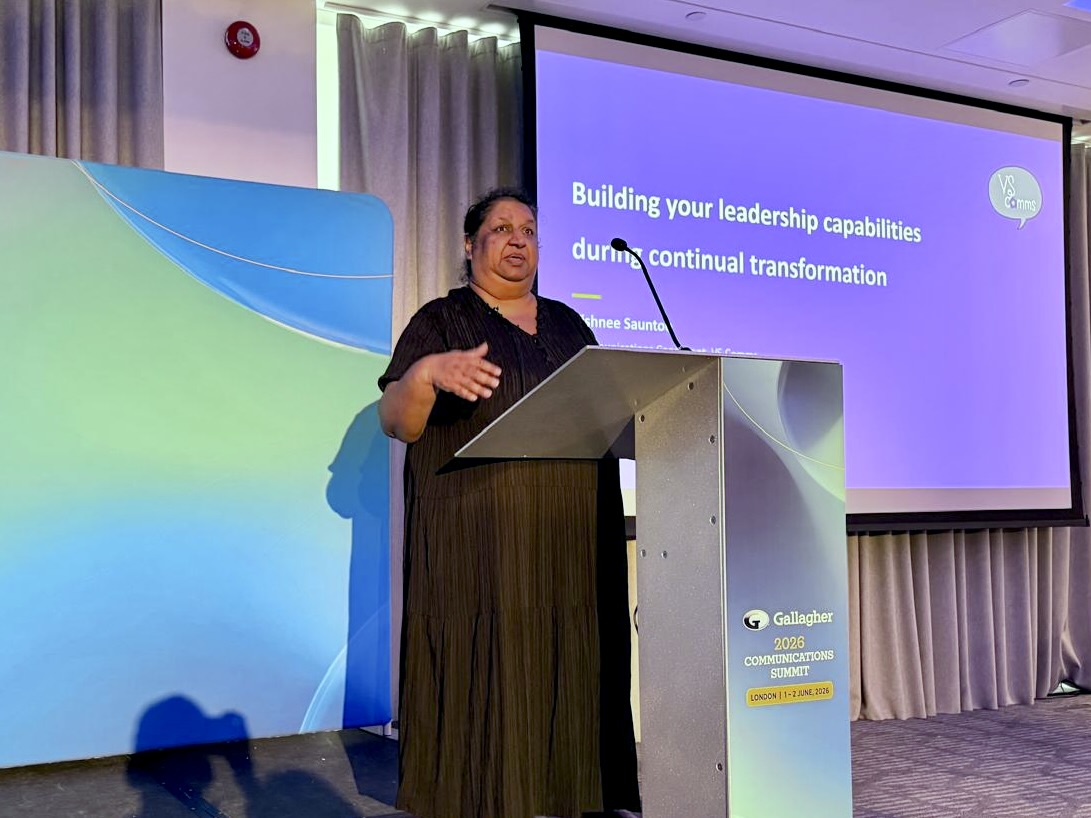
A funny thing happened at the Gallagher Comms Summit in June. I’d built a 30-minute session on leading through continual transformation. Confidence. Burnout. Leading. Three blocks, balanced timings.
Burnout was meant to be the middle bit. It became the issue that the room kept coming back to.
That told me something. The thing nobody wants to call by its name is the thing they need most help recognising. So this is the post I’ve been meaning to write since I came off stage.
A confession first
I’ve burned out in a previous job. More than once. And both times, I didn’t recognise the signs — I tried to muddle through. I want to be honest about that because many senior comms people are doing the same thing right now, and we keep nodding along to wellbeing conversations without changing very much.
The number that should worry us
Gallagher’s 2026 Employee Communications Report puts numbers on it. High-volume internal comms increases the risk of employee burnout by 24% and the erosion of trust in leadership by 30%.
83% of comms pros say information overload is a growing issue.
Read that twice. The thing many internal comms teams are being asked to do more of is making things measurably worse. That’s a strategic argument for editorial judgment — saying no to a piece of comms is sometimes the most caring thing you can do for the workforce. It’s also a wellbeing argument that you can take to your leadership.
Signs in yourself that make you worth being honest about
- You’re saying yes to things you’d have pushed back on a year ago.
- Your standards on your own work have quietly dropped — and you know it.
- You’re answering messages at times that would have horrified the version of you that started this career.
- There’s a small eye-roll before a leadership briefing that wasn’t there 18 months ago.
If two or more of those are true, you’re not having a bad week. You’re depleted. And depleted comms leaders make worse decisions for their organisations.
Signs in your team
- The high performer who’s gone quiet in meetings.
- The “yes” to absolutely everything — that’s not engagement, that’s exhaustion masquerading as commitment.
- Creative work is getting safer and more formulaic.
- Sick days cluster around big launches.
Three things to do on Monday
1. Run a three-question check-in. In your one-to-ones this week, ask: What’s draining you? What’s energising you? What would you stop if you could? You will be amazed at what you learn — and what your team have been carrying without telling you.
2. Model the behaviour you want. Leave on time once a week, visibly. Take your annual leave properly. Reply to nobody after 7 pm on a Wednesday. If you don’t do it, your team won’t. They are watching and learning from you what’s actually OK in this culture.
3. Use editorial judgment as a wellbeing tool. This is the one I want you to take away. Every time you say yes to a comms request, you’re saying yes on behalf of the workforce who’ll receive it. Saying no — or saying “not this week,” or “not in this form” — is sometimes the most caring decision you can make.
Editorial judgment is not just a quality tool. It is a wellbeing tool.
If you read those signs and recognise yourself, or someone on your team, that recognition is the work. Don’t muddle through. I did, twice. It didn’t end well either time.
Spot it before it shouts.
| WORK WITH VISHNEE |
|---|
| Don’t muddle through. If burnout has started showing up in you, your team, or both, talking it through with someone outside the system often helps. I work with internal comms leaders and teams on three things: spotting and addressing burnout honestly, building leadership confidence in comms roles, and leading well through continual transformation. I support clients through: • One-to-one coaching for comms leaders and specialists • Team mentoring for in-house comms functions navigating change • Wellbeing and workload conversations with your senior leadership team |
| Get in touch: vishnee@vscomms.co.uk |
Leave a Reply