
What my brother’s wedding taught me about the communications behind a great event.
By Vishnee Sauntoo, Founder, VS Comms • 5 min read
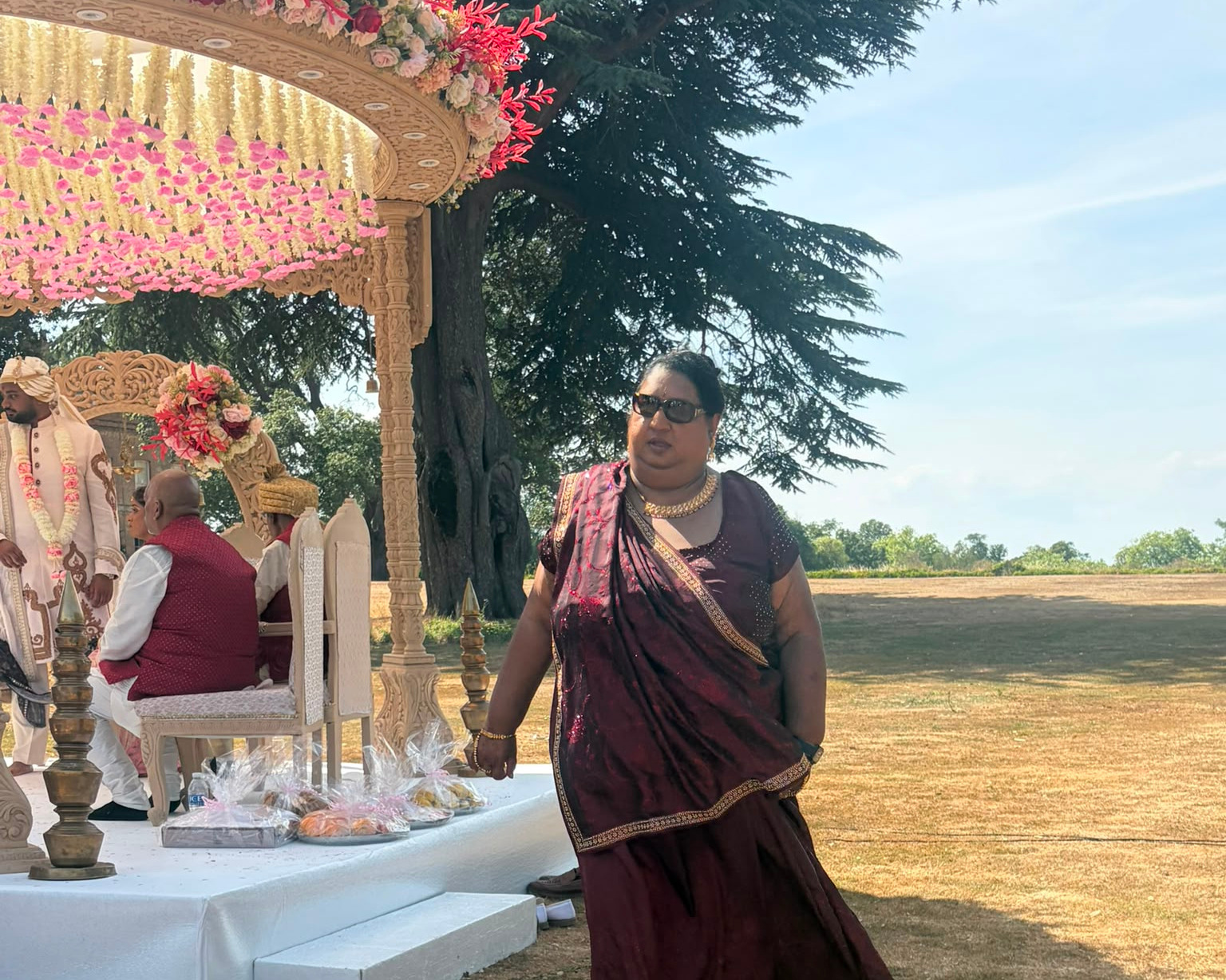
My brother got married a couple of weekends ago. A big Mauritian wedding, three hundred guests, several outfit changes, and a schedule that ran remarkably close to time.
I spent most of it as a guest, not a planner. But somewhere between the ceremony and the second reception, I found myself doing what I always do: watching how the event was run, and noticing how much of it was, underneath the flowers and the food, a communications exercise.
It is not a new observation for me. I have said for years that a wedding, a gala, a conference, a fun run and a product launch are all, structurally, the same thing. A group of people is brought together for a few hours to have a specific experience, and every choice, from the timeline to the seating plan to the person holding the microphone, either builds towards that experience or chips away at it.
What struck me this time was not the list of things that matter. I have given that list before. It was why they matter, and how directly each one maps onto the same discipline I bring to a comms strategy, a campaign, or a piece of donor reporting. So this is the longer version: the five things that make the difference between an event people attend and one people remember, and the reasoning behind each of them.
Give yourself time, because rushed decisions always show
Nine to twelve months sounds like a long runway for a single day. It is not excessive. It is the amount of time it takes to make decisions properly instead of urgently.
Rushed planning does not just increase the risk of something going wrong. It changes the quality of every decision along the way, because urgency narrows your options down to whatever is available right now, rather than what is actually right. The venue you settle for. The supplier you did not have time to compare. The risk you did not think to plan for because you were too busy solving the last one.
This is the same failure mode I see in comms work. A strategy built under deadline pressure is rarely a bad strategy on paper; it is a strategy built on the first idea that seemed workable, rather than the best one available. Time is not a luxury. It is the input that lets good judgement do its job. And on the day itself, having someone whose only role is coordination, not troubleshooting and hosting at once, means the plan can actually survive contact with reality.
Work backwards from one message, because clarity is what people remember
Ask yourself what you want your audience to think, feel and do after the event, before you decide anything else. Then pick one message. Just one.
This is harder than it sounds, because most organisers want an event to do several things at once: raise money, build awareness, thank supporters, launch something new. All reasonable goals. All fatal if you try to communicate them with equal weight in the same three hours.
An audience can hold one clear message and a general good feeling. They cannot hold five competing priorities and remember any of them distinctly. This is true of a wedding: the message was simple: this is a family, and you are part of it, and it is true of every fundraising gala or campaign launch I have ever worked on. The events that land are the ones with a single, unmistakable point. Everything else in the room should be built to reinforce it, not compete with it.
Know your audience, because their priorities decide what they remember
A gala audience will remember the food and the entertainment. A fun run audience will remember whether there were enough toilets, water stations and somewhere for their supporters to stand. These are not superficial details; they are the terms on which your audience will judge whether the event was well run.
This matters because organisers so often plan the event they would enjoy, rather than the event their specific audience needs. It is an easy mistake, because you are close to the material and proud of the substance: the programme, the cause, the achievement being marked. But your audience experiences the event through its logistics long before they engage with its content. Get the logistics wrong for that particular audience, and the substance never gets a fair hearing.
The same is true of any campaign. Know who you are actually speaking to, and what they need to receive your message at all, before you decide what the message should look like.
Stay consistent with your brand, because trust is built through repetition
A theme can be playful. It should still sit inside your values and your brand, consistently, so that people recognise you and trust what you stand for.
Consistency is often mistaken for a design preference: matching colours, a coherent look. It is actually a trust mechanism. People build confidence in an organisation, or a family, or a brand, through repeated, recognisable signals over time. Every inconsistency is a small moment of friction: a flicker of am I in the right place? Is this the same organisation I trusted before? Small on its own. Cumulative if it happens often enough.
This is why I tell clients to protect their brand palette and their tone even when a theme is more festive or informal than usual. The theme can flex. The signals underneath it — what you stand for, how you sound, what people can expect from you — should not.
Brief your photographer and videographer properly, because the event’s real audience is not in the room.
This is the one people skip, and it is the one with the longest afterlife.
Most of the people who will ever encounter your event will not attend it. They will see it afterwards: in a social post, a highlights video, a donor report, a case study a year from now. The event itself lasts a few hours. The content from it can work for years, if it is planned properly.
A good brief means deciding, before the day, what you actually need: same-day shots for social media, specific moments captured for a report, footage edited a certain way for a certain purpose. Without that brief, a photographer or videographer will capture a lovely, generic record of the day, and you will be left trying to make content decisions after the fact, from whatever they happened to get. Plan the outputs before you plan the shoot, not after.
A final thought
None of this is really about weddings, and none of it is really about events. It is about the discipline of deciding, in advance, what you want to happen and building deliberately towards it, instead of hoping that good intentions and a nice venue will get you there.
Good events, like good comms campaigns, do not happen by accident. They happen because someone did the unglamorous work of planning, focused the message, understood the audience, protected the brand, and thought beyond the day itself to what would come after.
If you are planning an event, a campaign, or anything in between and want a second pair of eyes on the strategy behind it, I am always glad to talk.
Book a free 30-minute conversation at vscomms.co.uk.
Vishnee Sauntoo is the Founder of VS Comms and a strategic communications consultant with 25 years’ experience working with charities, not-for-profits, and mission-led organisations. She is a Trustee of CharityComms and hosts The Comms Collective Podcast. vishnee@vscomms.co.uk | vscomms.co.uk
Leave a Reply